


Teaching in Korea is one of the most rewarding jobs abroad — but the first months test everyone. These five tips are the specific, hard-won things that separate teachers who thrive from those who count down the days.
Practical advice for new English teachers in South Korea, from OK Recruiting, a Korea-based recruiter (since 2006) that has guided teachers through their first year since long before it was fashionable.
1. Get a quiet class talking
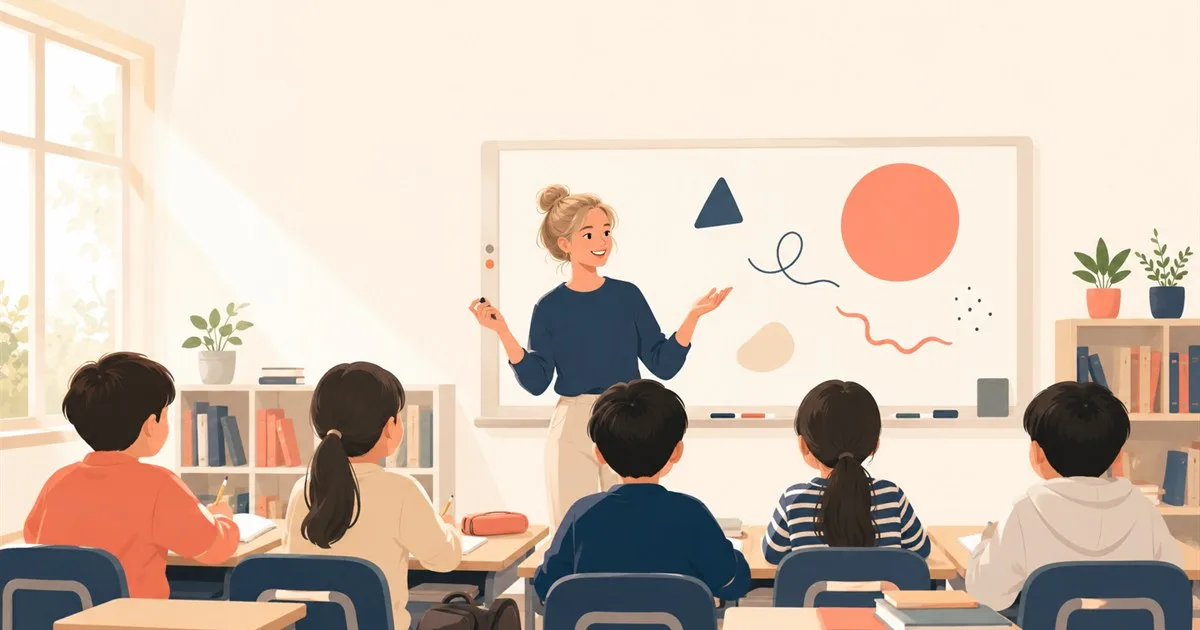
Korean students often read and write well but freeze when asked to speak — your real job is lowering the risk of speaking.
Years of test-focused study (culminating in the 수능 college exam) build strong grammar and shy speakers. Don’t single students out cold; that spikes anxiety and shuts the room down. Instead, scaffold: choral repetition → pair practice → small-group tasks, so no one is ever the only voice. For young learners, Total Physical Response (acting words out) works wonders; for teens, games with a clear goal beat open “free talk.”
2. Read the room — nunchi and hierarchy
Korean workplaces run on nunchi — reading the situation — and on respect for seniority. Getting this right earns you goodwill fast.
Defer to your co-teacher or director (원장님) in front of others, and raise disagreements privately rather than in the meeting. Staff dinners (회식) are where relationships are actually built, so join when you can. Small courtesies land big: receive things with two hands, greet the most senior person first, and learn a few phrases — annyeonghaseyo (hello) and gamsahamnida (thank you) go a surprisingly long way.
3. Work with your schedule, not against it
Hagwon and public-school life run on opposite clocks — build your routine around the one you have.
A hagwon (private academy) usually means afternoon-to-evening hours and smaller, results-driven classes. A public school (often via EPIK) means daytime hours, co-teaching, and “desk-warming” at school during vacation unless you use leave. Neither is better — but fighting your schedule (trying to keep a 9-to-5 social life on a 1-to-9 job) burns people out. Know your teaching hours and your required office hours before you sign.
4. Plan lessons that survive contact with real students
Textbook fatigue is real; a small toolkit of reusable, interactive activities beats elaborate one-off plans.
Students used to book-based study light up with movement, competition, and real-world tasks. Board races, bingo, Taboo, and information-gap pair work need little prep and scale to any level. Korean pop culture is a cheat code — a K-pop lyric or a K-drama clip earns instant buy-in. Build templates you can reskin each week instead of starting from scratch.
5. Build a life outside the classroom
Burnout, not the teaching itself, is what sends people home early — so treat your life outside work as part of the job.
Set up the essentials quickly: your Alien Registration Card (ARC), a bank account, and a phone plan (an altteulpon/MVNO plan is cheap). Make both expat and Korean friends — a hobby club, a gym, or a language exchange in your first month pays off all year. Use Korea’s affordable national health insurance when you’re unwell, explore on weekends, and take advantage of how saveable a teaching salary is with housing provided.
Frequently asked questions
How do I get Korean students to speak more English?
Lower the risk of speaking rather than demanding it. Scaffold from choral repetition to pair work to small groups so no student is ever the only voice, avoid cold-calling shy students, and use a predictable speaking routine each class. Games and Total Physical Response work better than open “free talk.”
Do I need to speak Korean to teach English in Korea?
No — classes are taught in English and many teachers get by with very little Korean. But learning basic phrases and workplace etiquette makes daily life and staff relationships much smoother.
What’s the day-to-day difference between a hagwon and a public school?
Hagwons generally run afternoon-to-evening with smaller, results-focused classes; public schools (often via EPIK) run daytime hours with co-teaching and desk-warming during vacations. Plan your routine around whichever schedule your job has.
What Korean workplace etiquette should teachers know?
Respect seniority, defer to colleagues in public and raise issues privately, join staff dinners (회식) when you can, receive things with two hands, and greet the most senior person first. Reading the situation — nunchi — matters more than any single rule.
How do I avoid burning out as a teacher in Korea?
Set up your essentials early (ARC, bank, phone), build both expat and Korean friendships through a regular activity, use the affordable national health insurance, and keep a real work-life balance. Burnout, not the teaching, is the main reason people leave early.
Note: General guidance for new teachers; individual schools and contracts vary. As of 2026.
Getting ready to teach in Korea? You can apply through OK Recruiting to find a school that fits you.