

ADHD medication · Coming to Korea on an E-2 visa
- Korea treats ADHD stimulants as controlled drugs. Amphetamine-based meds (Adderall, Vyvanse) cannot be brought in for personal use — even with a prescription.
- Methylphenidate (Concerta, Ritalin) can be brought in only with an MFDS import permit, applied for 2–3 weeks before travel. Non-stimulants (Strattera, Intuniv) need no permit.
- The post-arrival E-2 medical check drug-screens for illegal drugs (methamphetamine, cocaine, opiates, cannabis) — not for taking prescribed medicine. Amphetamine can trigger a positive; methylphenidate is not an amphetamine and isn't what that screen targets.
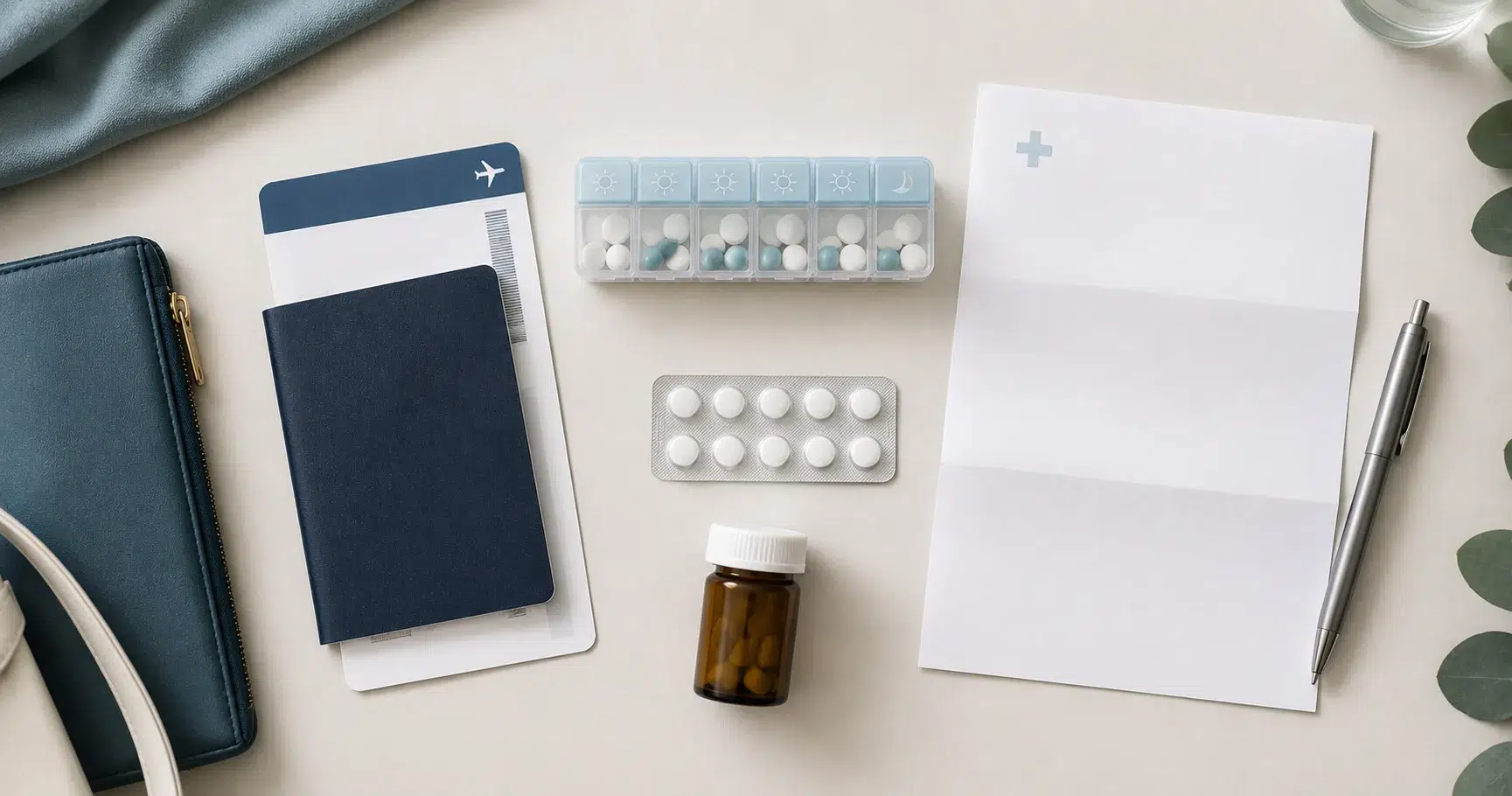
- Whatever you take, carry an English doctor's letter (diagnosis, drug name, dose), your prescription, and original packaging.
Rules as of 2026 · confirm on mfds.go.kr before you travel
This is a practical guide for English teachers moving to Korea who take ADHD medication. It's written by OK Recruiting, a Korea-based teacher recruiter — we've placed teachers who take ADHD medication and walked them through the customs and visa steps below. None of this is medical advice: any change to your medication is a decision for you and your doctor.
Three checkpoints people keep confusing
Most of the fear online comes from blending these together. They're separate — and only one of them is really about your medication.
- Customs
Can you physically bring the medicine into Korea? This is the rule that actually affects people on ADHD stimulants — and it depends entirely on which drug you take.
- Drug test
The post-arrival medical exam. It screens for illegal street drugs, not for taking a prescribed medicine. A legal prescription is not what it's hunting for.
- Immigration
The health review behind your visa. Your health certificate — and anything you disclose — is read here. A clear doctor's letter is what keeps a diagnosis from turning into a question mark.
Untangle those three and most of the anxiety disappears. The rest of this guide walks each one, starting with the medication you actually take.
Find your path
Start with your medication — the rules split sharply by drug class.
- 1Apply for an MFDS import permit 2–3 weeks before you fly.
- 2Bring an English doctor's letter + prescription + original packaging.
- 3Declare it at customs on arrival.
- ✕Classed as a narcotic — personal import is barred even with a valid prescription.
- ✕Can flag the drug test as amphetamine.
- →Ask your doctor about switching before you come.
- 1Not a controlled substance — no import permit required.
- 2Still bring your prescription + a doctor's letter.
- 3Nothing to declare beyond normal medicine.
Every path ends the same way. A clear English doctor's letter — plus the MFDS permit where it applies — is what turns a red flag into a cleared one, at both customs and the immigration health review.
If you take methylphenidate (Concerta, Ritalin)
Methylphenidate is legal in Korea — it's prescribed here under names like Concerta and Metadate. It's classed as a psychotropic substance, so you can bring your own supply in, but only with an import permit from the Ministry of Food and Drug Safety (MFDS) arranged before you arrive.
How the permit works
You apply to MFDS in advance for permission to carry your medicine in for personal treatment. Their review takes about 10 business days, so start 2–3 weeks before departure to leave a buffer.
- English doctor's letter — your diagnosis, the medication's generic name and brand, dose, and how long you've been treated, with your prescriber's contact details.
- Your prescription, in English.
- Original packaging — keep the medicine in its labelled box.
- Declare it at customs when you land. Undeclared controlled medicine can be confiscated.
The permit covers a set quantity for personal treatment — bring as much as it allows, because it's your bridge for the first weeks. Methylphenidate has been in short supply across Korea since 2024, so don't count on topping up easily the moment you land.
If you take Adderall, Vyvanse, or another amphetamine — read this first
This is the part the scary forum posts get right, even when they get everything else wrong. Korea classifies amphetamine-based ADHD medicines as narcotics. That includes Adderall (mixed amphetamine salts), Vyvanse (lisdexamfetamine), and Dexedrine (dextroamphetamine).
Amphetamine-based medicines cannot be brought in for personal use — a prescription does not change that, and it isn't something a permit fixes. Travellers who arrived carrying them have faced detention and questioning, because on a drug test amphetamine can look like methamphetamine.
That sounds alarming, but it has a calm, practical answer: sort your medication out with your doctor before you come, not at the airport. Many teachers switch to methylphenidate or a non-stimulant that Korea does allow. What that switch looks like — and whether it's right for you — is a medical decision between you and your prescriber, so raise it early, well before your flight. Don't change or stop anything on your own.
Non-stimulants: the simplest case
If you take atomoxetine (Strattera) or guanfacine (Intuniv), you're in the easiest position. These aren't controlled substances in Korea, so there's no import permit to file. Bring your prescription and a doctor's letter anyway — it makes any question at customs or the medical check a 30-second conversation instead of a worry.
Will it show up on the E-2 drug test?
After you arrive, your E-2 visa requires a medical check (usually within your first 90 days). The drug portion is a urine screen for illegal substances — methamphetamine, cocaine, opiates, and cannabis. It is not designed to catch people for taking a prescribed medicine. Our E-2 visa health check guide covers the exam in full.
Methylphenidate is chemically different from amphetamines, so it generally isn't flagged by that screen. Immunoassay tests can, in rare cases, cross-react — but a confirmatory lab test distinguishes methylphenidate from amphetamine, which is exactly why carrying your prescription and permit matters: any result can be explained on the spot.
Amphetamine-based medicine is different — it will read as amphetamine, which is why it belongs in the "don't bring it" column above. And a quick note for anyone also on an antidepressant or anxiety medication: those aren't the target of this screen either, though a few can occasionally cause a false positive — again, your prescription is the answer. (We'll cover mental-health medication and the visa in a companion guide.)
The visa health review — and why the doctor's letter decides it
Beyond the drug screen, the medical check includes a health declaration, and the certificate that reaches immigration can name your medication. This is where outcomes stop being purely mechanical: a diagnosis or a drug name can prompt a closer look, and — in our experience — how well it's documented is what tends to decide borderline cases.
In 2024, a teacher we placed was taking methylphenidate. With a psychiatrist's letter setting out the diagnosis, the treatment, and that it was stable and well-managed, their visa was approved in Seoul. We've seen the same pattern repeatedly: a clear, current specialist letter is the single thing that most often turns a hesitation into an approval.
We've also seen results differ from one immigration office to another for similar situations, so we don't promise an outcome — no one honestly can. What we can say is that the teachers who move through this smoothly are the ones who prepared the documentation early and were upfront with their recruiter from the start.
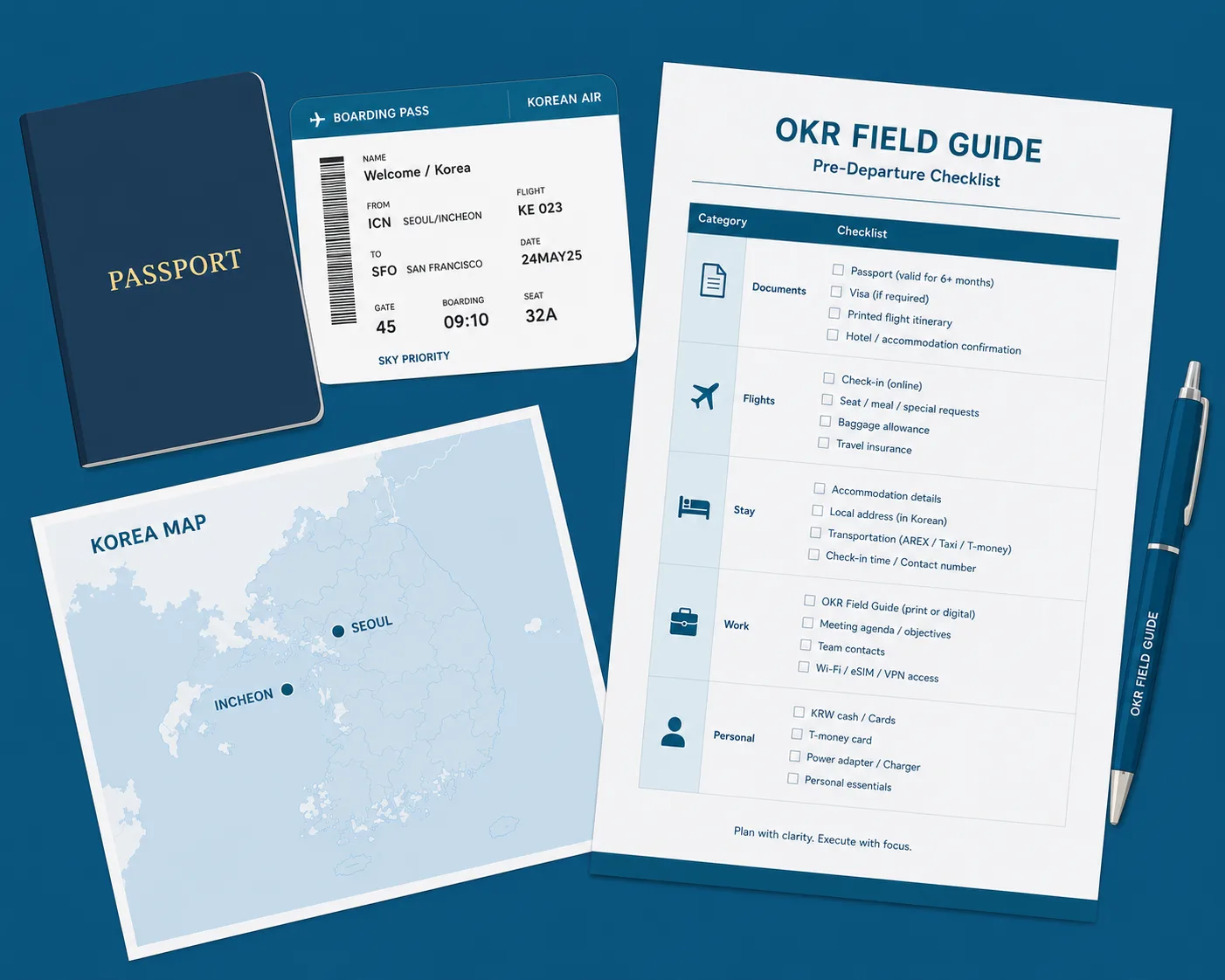
Your pre-departure checklist
Start this 3–4 weeks before you fly.
- Doctor's letter, in English — diagnosis, medication (generic + brand), dose, how long you've been treated, prescriber's contact.
- MFDS import permit — if you take methylphenidate. Apply 2–3 weeks ahead.
- Original prescription and original packaging — carry both in your hand luggage.
- A medication plan — enough to cover your permit, plus a plan for refills at a Korean clinic.
- A heads-up to your recruiter — so the visa side is handled with the facts, early.
Frequently asked questions
Can I bring Adderall into Korea?
No. Adderall and other amphetamine-based ADHD medicines (Vyvanse, Dexedrine) are classed as narcotics in Korea and cannot be brought in for personal use, even with a valid prescription. Speak to your doctor before you travel about switching to methylphenidate or a non-stimulant.
Is Concerta or Ritalin legal in Korea?
Yes. Methylphenidate (Concerta, Ritalin) is legal and prescribed in Korea. To bring your own supply, apply for an MFDS import permit about 2–3 weeks before you travel, and carry a doctor's letter, your prescription, and the original packaging.
Will my ADHD medicine make me fail the E-2 drug test?
The E-2 drug screen looks for illegal drugs (methamphetamine, cocaine, opiates, cannabis), not prescribed medicine. Methylphenidate isn't what it targets; amphetamine-based medicine can register as amphetamine, which is one more reason not to bring it. Carry your prescription so any result can be explained.
Can't I just get my ADHD medication prescribed in Korea instead?
Partly. Methylphenidate and atomoxetine are prescribed in Korea — but only by a Korean psychiatrist (foreign prescriptions aren't filled at Korean pharmacies), and not before you've arrived, found a clinic, and — for insured pricing — received your ARC. Until then you'd pay out of pocket (a private consult is typically ₩100,000–200,000). Amphetamine-based medicines can't be prescribed here at all. So the usual approach is both: bring a permitted bridge supply, then switch to a local psychiatrist for refills.
So do I still need the MFDS import permit?
If you want to carry your own methylphenidate in, yes — that's what the permit is for, and it's worth having because local stock has been tight since a 2024 shortage. If you'd rather not import any, you can start fresh with a Korean psychiatrist after you arrive, but plan for a gap of a few weeks while you get set up. For amphetamine-based medicines there is no import route at all.
How long does the MFDS import permit take?
MFDS reviews personal-import requests within roughly 10 business days, so apply at least 2–3 weeks before departure. Confirm the current process and contact details on mfds.go.kr before you file.
Coming to Korea and not sure about your medication?
We've walked teachers through exactly this — the permit, the medical check, and preparing the doctor's letter. Tell us early and we'll help you sort it before it becomes a problem.
- Ministry of Food and Drug Safety (MFDS) — narcotic/psychotropic personal-import approval — mfds.go.kr
- U.S. Embassy in the Republic of Korea — information on controlled substances
- HiKorea — E-2 visa and required post-arrival medical check